
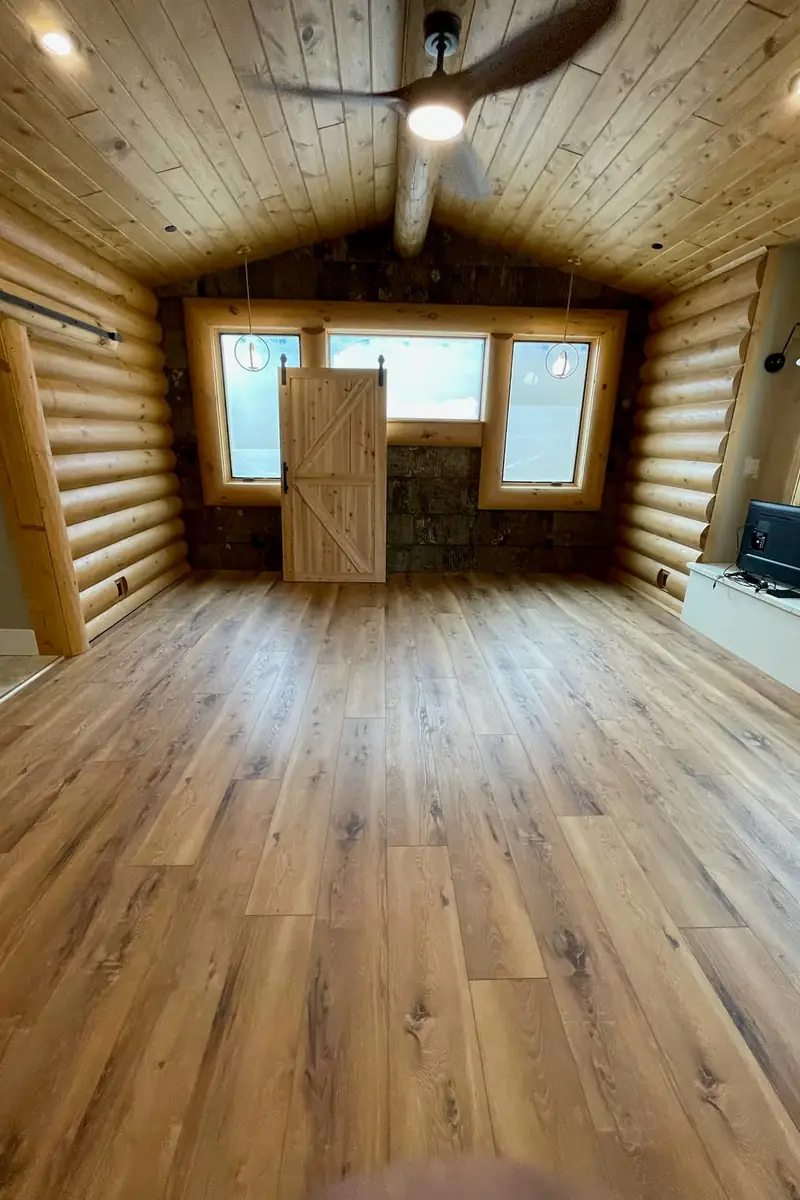
Flooring Installers in Denver, Colorado
Denver County, inside our 45-mile Denver Metro service area
Flooring services in Denver
Denver is where our service area begins, and it is the city with the widest mix of homes we see: brick bungalows with original oak, Victorian-era houses with stacked layers of old finish, mid-century ranches, newer townhomes, and loft conversions with polished slabs. A flooring plan that suits one block rarely suits the next, so we start every job by looking at what is actually under your feet.
Whether you want new hardwood, a durable luxury vinyl plank, a refinish that brings an old floor back, or a rebuilt staircase, the work begins with a free in-home estimate. If you would rather start from the couch, text us photos of the rooms and we will give you quick pricing guidance before anyone visits. Denver is the center of our 45-mile service area, so there is no travel hurdle for scheduling here.
Neighborhoods we serve in Denver
- Capitol Hill
- Washington Park
- Highlands
- Park Hill
- Cherry Creek
- Baker
- Congress Park
- Central Park
Denver homes and their floors
Much of central Denver was built before 1950. Neighborhoods such as Capitol Hill, Baker and Park Hill are full of bungalows, Denver Squares and Tudor-style homes, and these often have solid oak or fir floors that have survived a century of refinishing. Those floors are usually worth saving. Many have only a few sanding cycles left, so an honest look at remaining wear-layer thickness matters before anyone decides between refinishing and replacing.
Newer parts of the city tell a different story. Areas such as Central Park, along with infill townhomes and downtown lofts, tend to have engineered wood, glue-down vinyl or concrete subfloors in place of old plank. In condos and lofts the slab has to be flat and dry before anything goes over it, and the building may dictate which underlayment you can use. Knowing whether your home is pre-war plank, mid-century slab-on-grade or a recent build is the first step in choosing the right floor.
Floors that fit Denver homes
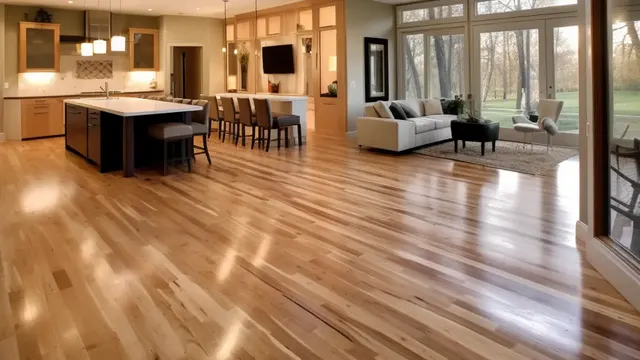 Hardwood FlooringWhere a home has lost its original floors to carpet damage or past remodels, new hardwood restores the traditional look that buyers and owners in the older neighborhoods expect.
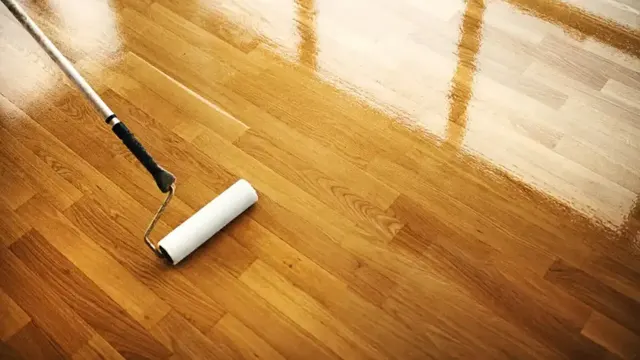 Hardwood RefinishingOriginal oak and fir in older Denver homes can often be sanded and re-coated rather than torn out, which keeps the character of the house and avoids the cost and mess of replacement.
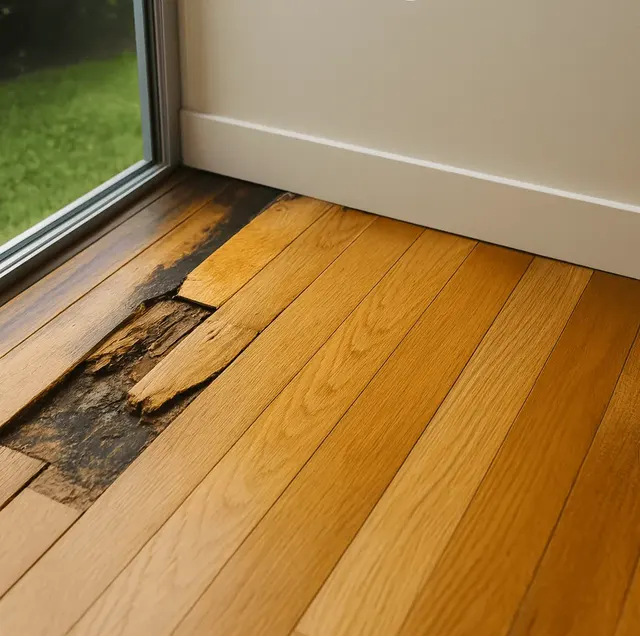 Floor RepairCentury-old floors pick up gaps, squeaks, water stains and patched sections; a targeted repair is often all a room needs before refinishing.
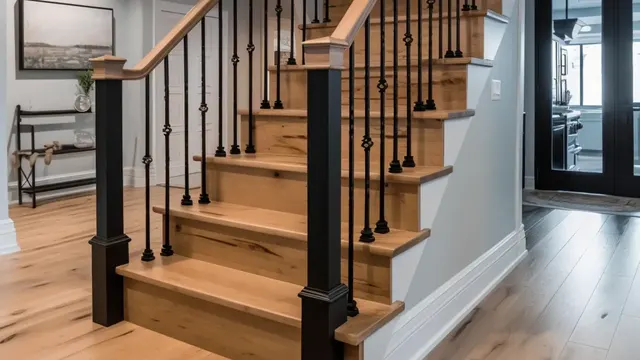 Stair RemodelingOlder homes often have worn, squeaky or carpeted stair treads, and a rebuild with new treads, risers and rails can change how a whole entry feels.
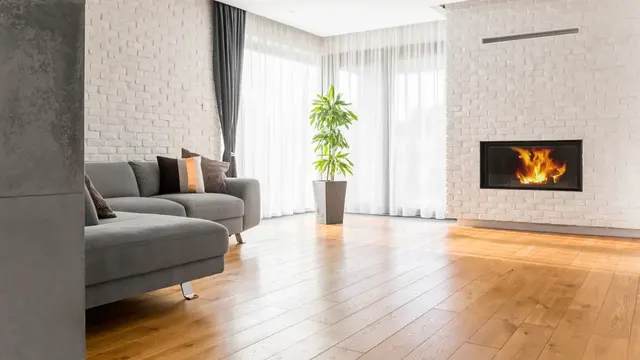 Luxury Vinyl Plank (LVP)Busy households, rentals and finished basements in Denver benefit from a plank that shrugs off water, pets and foot traffic while still looking like wood.
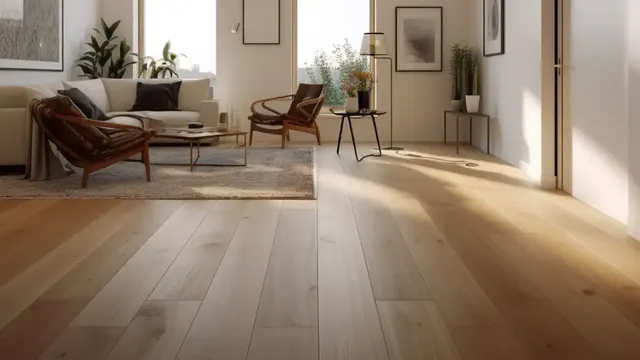 Engineered Wood FlooringCondos, lofts and basements are common in the city, and engineered boards handle slab installations and seasonal dryness with less movement than solid planks.
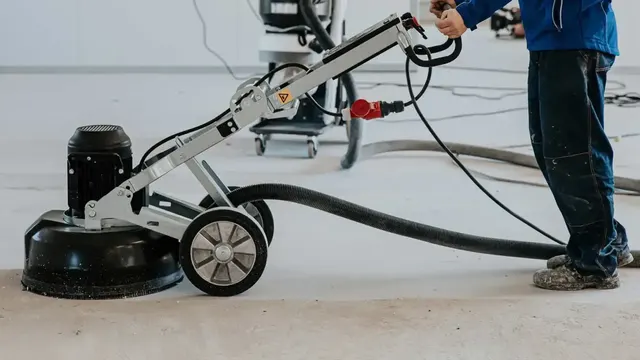 Concrete Grinding and LevelingLofts, garages-turned-studios and basement slabs often need grinding or leveling before any finished floor can be installed correctly.
Things to plan for in Denver
Denver sits at about a mile above sea level, and the air here is dry for most of the year. Wood responds to that by shrinking in winter when furnaces run and swelling a little in the humid stretches of summer. A well-installed floor allows for this movement with proper acclimation and expansion gaps, and homeowners often notice thin seams opening in the coldest months. That is normal in this climate and is one reason engineered products are popular here.
Finished basements are a major part of the city's housing stock, and they behave differently from main floors. Concrete slabs can hold moisture, so we recommend checking for dampness before choosing a material. Products designed for below-grade use, such as luxury vinyl plank or engineered wood with the right underlayment, are the usual picks, while solid hardwood is generally kept for upper levels.
Many Denver homes have radiant heat, either in older hydronic systems or in newer remodels. Flooring over radiant heat needs materials and installation methods rated for the temperature swings, and the system should be brought up and down gradually around the job. Mention it at your estimate so the plan can account for it.
Condominiums, lofts and some townhome communities have rules about sound transmission, often requiring an approved underlayment and sometimes limiting hard surfaces on upper floors. Check your association's documents early; we can work from them when choosing a product. Because Denver has so many older buildings, we also plan for uneven subfloors and the occasional surprise under old layers of finish or glue.
All our flooring services
Flow Flooring Pros on Google
Your experience matters.
Have we worked on your floors? Share your experience on our Google business profile.
Visit our Google profile ↗Denver flooring FAQ
Do you serve all of Denver or only certain neighborhoods?
We serve the entire city, from Highlands and Capitol Hill to Park Hill, Central Park and the neighborhoods near Cherry Creek. Denver is the center of our service area, which reaches out to about 45 miles from the city.
Can my old Denver hardwood floors be refinished instead of replaced?
Often yes. Many older homes in the city have thick solid oak or fir that can take another sanding. We check the wear layer and any damage during the in-home estimate before recommending refinishing or replacement.
What is the best floor for a finished basement in Denver?
Luxury vinyl plank and engineered wood with a proper moisture barrier are the common choices, because concrete slabs below grade can hold moisture. Solid hardwood is usually not recommended there. A moisture test is the standard way to check a slab; ask any installer how they handle it.
Why do my hardwood floors open up small gaps in winter?
Denver's dry air pulls moisture from wood during heating season, so boards shrink slightly and thin gaps appear. They typically close again in humid months. A little seasonal movement is normal and not a defect.
How do I get a quote without scheduling a visit first?
Text us photos of the rooms and the approximate size, and we will share quick pricing guidance. When you are ready, we follow up with a free in-home estimate to confirm measurements and the subfloor.
Do you work in downtown lofts and condos with building rules?
Yes. Those buildings often require sound-rated underlayment, approved hours and elevator scheduling. Share your association's flooring rules at the start and we will plan the product and timeline around them.
Can you install new stairs or only refinish existing ones?
We do both. Stair work can range from replacing worn treads and risers to updating railings and balusters, which is common in older Denver houses with steep or squeaky staircases.
Ready for new floors in Denver?
Free in-home estimates within 45 miles of Denver. Call or book online and we will set up a visit.