
Concrete Slab Prep for New Flooring: Grinding, Leveling and Moisture in Denver
Concrete & Subfloors
Why does subfloor prep matter so much?
A floor can only be as good as what is under it. Even a high-quality plank or tile will show problems if the slab is uneven, dusty, damp or still has old glue on it.
Common symptoms of poor prep include gaps between planks, hollow-sounding spots, edges that lift, and joints that open over time. Many flooring manufacturers publish their own flatness and moisture requirements, and ignoring them can affect warranty coverage.
In practice, prep is often a large share of the labor on a concrete-floor project, which is why a good estimate describes it clearly rather than burying it.
How do I know if my slab has a moisture problem?
Concrete can look and feel dry while still releasing moisture vapor. Basements and slab-on-grade rooms are the most common places for this in Colorado, even though the climate is dry overall, because the ground beneath a house can hold moisture.
Professionals typically use one or more standard testing methods, such as calcium chloride tests, in-slab relative humidity probes, or moisture meters used as a quick screening tool. Each method measures something slightly different, and flooring manufacturers state which results they accept.
If readings are high, options often include a moisture-mitigation primer or membrane, a floating floor over a vapor barrier, or a different product altogether. Which one is appropriate depends on the numbers and the product you choose.
What is the difference between grinding and self-leveling?
Grinding and self-leveling solve opposite problems. Grinding removes material from high spots, rough patches, paint, coatings and leftover adhesive. Self-leveling underlayment adds material to fill low spots and bring a floor to a flatter plane.
Many slabs need a bit of both: grind the ridges and then level the dips. Grinding also profiles the surface so primers and leveling compounds bond properly.
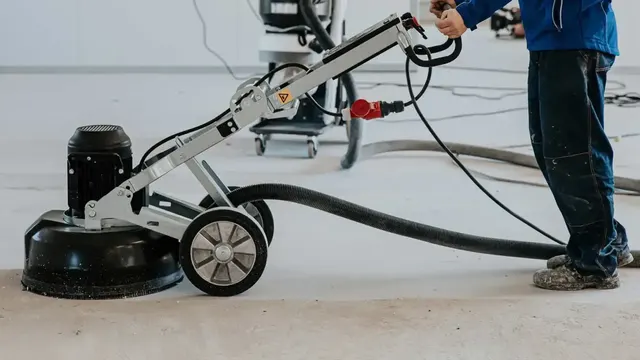
Dust control matters. Professionals typically use grinders connected to dust extractors, but it is still reasonable to ask how dust will be contained and how the rest of the house will be protected.
- Grinding: best for high spots, ridges, old thinset, mastic or coatings.
- Self-leveling: best for shallow low areas and overall flatness.
- Patching: used for cracks, divots and damaged edges before leveling.
- Primer: usually applied before leveling so the compound bonds and cures properly.
How flat does a slab need to be?
Flatness requirements depend on the product. Rigid plank floors, large-format tile and click-lock systems are typically more sensitive to dips and humps than thick, soft materials.
Manufacturers often describe tolerance as a small allowable variation over a given span, checked with a long straightedge. Because those numbers vary by product, we do not quote a single figure here. Ask for the installation guide of the floor you are considering and compare it to what your installer measures on your slab.
If your slab is out of tolerance, the installer will usually recommend grinding, leveling or both before any flooring goes down.
What should I know about Colorado basements and slabs?
Many Denver-area homes have basements, and many of those slabs were poured decades ago with varying levels of finish quality. You may see hairline cracks, old paint, glued-down tile, or a slight slope toward a floor drain.
Some Front Range soils are expansive, and slabs can move over time. Minor cracking is common, but anything that looks structural, such as large offset cracks or doors that suddenly stick, should be reviewed by a qualified professional before flooring is installed.
Dry winter air can lull homeowners into thinking basement concrete is dry. Seasonal changes, irrigation, grading near the foundation and spring snowmelt can all affect moisture, so testing is worth doing rather than guessing.
How does the slab affect which flooring I can choose?
Luxury vinyl plank and laminate are common over concrete because they can float over an underlayment with a moisture barrier. Engineered wood can also be used over slabs when the product and installation method allow it. Solid hardwood is generally not recommended for direct installation on concrete.
If you are planning radiant heat, the slab needs special attention, and the flooring manufacturer's guidelines should be followed closely.
Tile and thin-set installations typically ask for a very flat, clean surface, so leveling is often part of the plan.
What does a typical concrete prep process look like?
Every project is different, but the general order of work is predictable. Knowing the steps helps you compare estimates fairly.
Ask your installer to describe each step in writing so there are no surprises on the day work begins.
- Inspect the slab and mark cracks, low areas and old coatings.
- Test moisture using the method the flooring maker accepts.
- Remove old flooring, adhesive and debris.
- Grind high spots and profile the surface.
- Repair cracks and holes with an appropriate patch.
- Prime, then pour and finish self-leveling compound where needed.
- Allow proper cure time before installing flooring.
Next steps for your slab
If you are unsure what is under your carpet or old tile, the simplest step is a site visit. Flow Flooring Pros provides concrete grinding and leveling for homes within 45 miles of Denver, and offers free in-home estimates. You can also text a few photos of your slab and the surrounding area for quick pricing guidance.
Frequently asked questions
Do I really need to level my concrete before installing new flooring?
Not always, but many floors need a reasonably flat surface to perform well. Your installer measures the slab with a straightedge and compares it with the flooring maker's requirements to decide if leveling is needed.
How long does self-leveling compound take to dry?
It depends on thickness, temperature, humidity and the product used. Some compounds can be walked on within hours, while flooring may need to wait longer. Always follow the manufacturer's cure time before installing.
Can I install flooring over a cracked concrete slab?
Small hairline cracks are common and usually patched before flooring. Larger cracks, height differences across a crack, or signs of movement should be assessed by a qualified professional before you proceed.
Can I do a basic moisture test myself?
Simple plastic-sheet tests can hint at moisture, but they are not a substitute for standard testing methods. Manufacturers often specify accepted methods, so ask your installer to test in a way that supports warranty requirements.
Is concrete grinding messy?
It can be, but professionals typically use dust-extraction equipment and plastic barriers to reduce spread. Ask how dust will be contained, and expect some cleanup of surfaces nearby once work is complete.
Can I put hardwood directly on a concrete basement floor?
Solid hardwood is generally not recommended directly on concrete. Engineered wood, LVP or laminate are more common choices over slabs, depending on moisture readings and the manufacturer's installation instructions.
Related services


Where we do this work
More flooring guides
Flow Flooring Pros on Google
Your experience matters.
Have we worked on your floors? Share your experience on our Google business profile.
Visit our Google profile ↗